
We only recommend products we love and use. As an Amazon Associate, we may earn from qualifying purchases.
Is Your Skin Losing Collagen? Five Warning Signs And DIY Fixes That Work
Discover the 5 major signs of collagen loss in skin , from wrinkles to sagging , plus simple self-tests and natural ways to boost collagen production.

What Happens When You Lose Collagen
One morning, I gently tugged at the skin on my jawline, expecting it to bounce back like before. This time, it didn’t, and that’s when I realized my skin wasn’t just “tired,” it was losing collagen. Collagen is the protein framework that keeps skin firm, elastic, and youthful. Starting in your late 20s, production naturally slows, and by your 40s and 50s, the changes become much more noticeable. Factors like UV exposure, smoking, high sugar intake, and hormonal changes can accelerate the process (Journal of Clinical and Aesthetic Dermatology, 2010).
Wrinkles and Fine Lines That Deepen Over Time
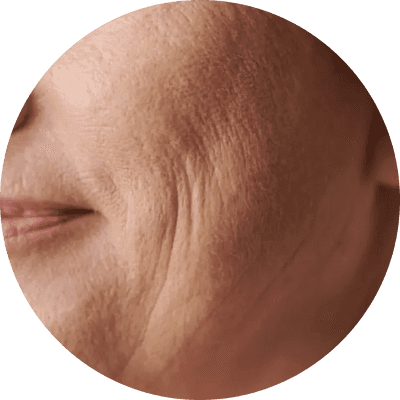
The earliest and most common sign of collagen loss is the appearance of fine lines. At first, these lines may only appear when you smile or frown, but as collagen declines, they become permanent wrinkles. Areas like the crow’s feet around your eyes, forehead lines, and laugh lines are especially prone.
Without collagen’s plumping effect, your skin loses its smooth surface, and folds set in. According to research in the Journal of Cosmetic Dermatology, reduced collagen density is a key factor in wrinkle formation (Shuster et al., 1975).
Sagging Skin and Loss of Elasticity
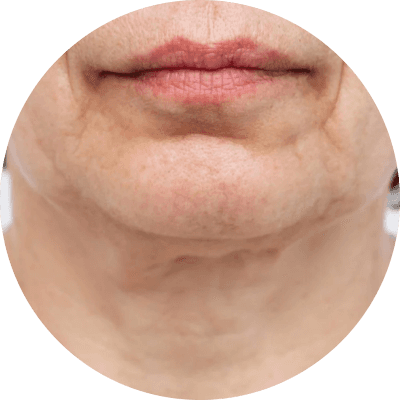
Sagging is one of the clearest indicators of collagen breakdown. Cheeks that once looked lifted may start to droop, your jawline becomes softer, and jowls form. Even the neck begins to lose firmness as the skin no longer resists gravity.
Collagen acts like scaffolding or tent ropes that keep everything in place. Once those fibers weaken, the skin structure collapses downward. Studies using cutometer devices confirm this loss of elasticity, showing measurable declines in skin firmness with age (Skin Research and Technology, 2008).
Thinning and Fragile Skin
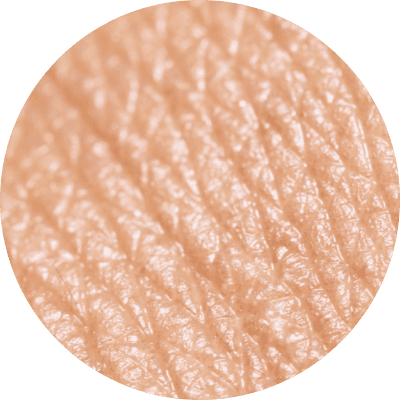
Another classic sign of collagen decline is thinning skin that bruises easily and appears almost translucent. This is often noticed first on the arms, where veins suddenly look more visible. Since collagen makes up 70–80% of the dermis, a drop in production literally means the skin gets thinner.
As dermal density declines, the skin’s protective barrier also becomes weaker. High-frequency ultrasound imaging has documented steady declines in dermal thickness after the age of 40 (Dermatologic Surgery, 2001)
Enlarged Pores With Age
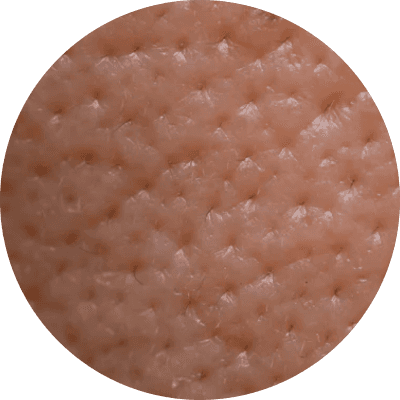
Even without oily skin, your pores may start to appear larger as you get older. This is because collagen supports the pore walls and keeps them tight. As collagen fibers weaken, the openings stretch and become more noticeable.
Enlarged pores are not only caused by sebum; collagen decline is a major contributor. This change is often most visible in the T zone and cheeks. Research in Dermatologic Therapy (2016) highlights collagen loss as a key factor behind enlarged pores in aging skin.
Slower Healing and Lingering Marks

If blemishes, scratches, or scars seem to stick around longer than before, collagen decline is likely to blame. Collagen provides the framework for repair, guiding fibroblasts to rebuild damaged tissue. When collagen fibers break apart, fibroblast activity decreases, which delays healing.
That’s why spots and scars linger longer with age. A study in the Journal of Investigative Dermatology found that fragmented collagen reduces fibroblast stretch signals, leading to inefficient skin repair (Varani et al., 2006).
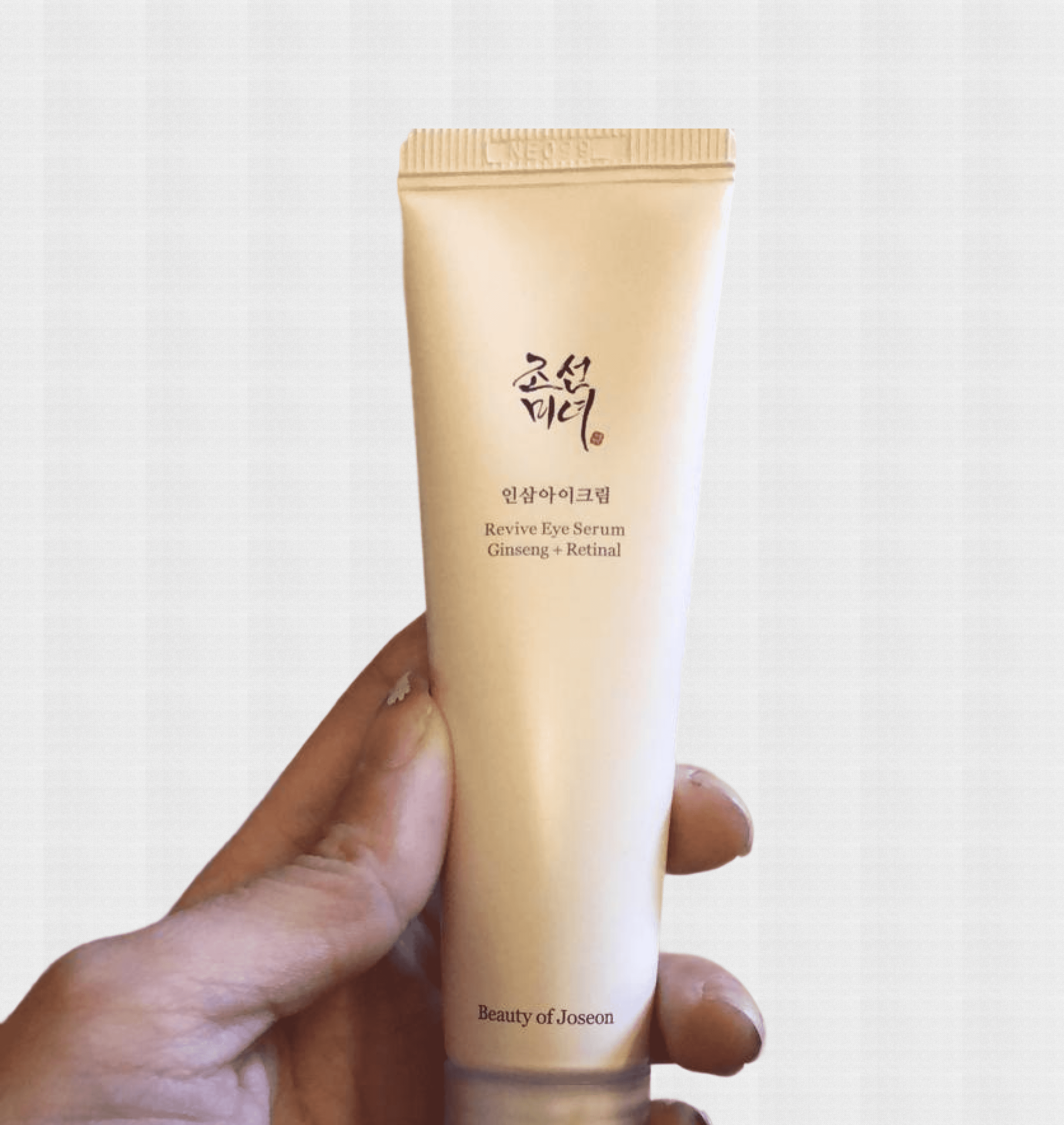
Beauty of Joseon Revive Eye Serum with Retinal Niacinamide
This serum combines the age-old power of ginseng with retinol to rejuvenate and brighten the skin around your eyes. With ginseng extract for elasticity and hydration, retinal to smooth wrinkles, and niacinamide for brightness, it targets fine lines, fatigue, and dryness. The result is nourished, radiant, and youthful-looking skin. Recommended 100%
Simple At-Home Collagen Tests
You don’t need expensive equipment to check for early signs of collagen loss. Try the inner arm vs. forearm test: the inner arm (less sun exposure) usually looks smoother and thicker compared to the forearm (more UV damage), which often appears thinner and crepier.
Another easy check is the pinch test: pinch your cheek or neck gently. If the skin takes a moment to snap back, it’s a sign that elasticity is reduced because of the collagen decline. These small observations can help you catch changes early.
How to Boost Collagen Naturally

While you can’t completely stop collagen loss, you can slow it down and even encourage new collagen formation. Here’s how:
Daily Sunscreen Use
UV rays break down collagen faster than anything else. Using broad-spectrum SPF 30+ daily helps protect skin’s structure and slows visible aging.
Retinoids and Retinol
Vitamin A derivatives like retinoids stimulate fibroblasts and boost collagen production, reducing fine lines and thickening skin over time.
Antioxidants (Vitamin C, E, Polyphenols)
Vitamin C is essential for collagen synthesis and protects against UV damage, while antioxidants neutralize free radicals that weaken collagen.
Healthy Diet
Protein-rich foods supply amino acids for collagen, while antioxidants, zinc, and copper support production. Limiting sugar prevents glycation damage.
Professional Treatments
Micro needling, lasers, and ultrasound therapies stimulate fibroblasts and encourage fresh collagen growth, improving firmness and elasticity.
Lifestyle Habits
No smoking, stress control, exercise, and quality sleep all help preserve collagen by supporting blood flow, oxygenation, and repair cycles
In your 20s–30s: Focus on prevention, use retinoids, antioxidants (like vitamin C), and never skip sun protection.
In your 40s+: Support collagen with peptides, retinoids, and professional treatments like micro needling, fractional lasers, or ultrasound therapies. Women experiencing menopause-related collagen decline may also consider discussing hormone-based treatments with a dermatologist.
Research in the Journal of Drugs in Dermatology shows that topical retinoids and vitamin C are among the most effective ingredients for stimulating collagen production.
Bottom Line
Collagen loss isn’t just about getting older; it’s a measurable structural change happening beneath your skin. The signs are clear: wrinkles, sagging, thinning, enlarged pores, and slower healing. While natural decline is inevitable, lifestyle habits and targeted treatments can make a huge difference.
By recognizing the early warning signs and taking proactive steps, you can protect your skin’s structure and maintain a healthier, more youthful appearance for years to come.
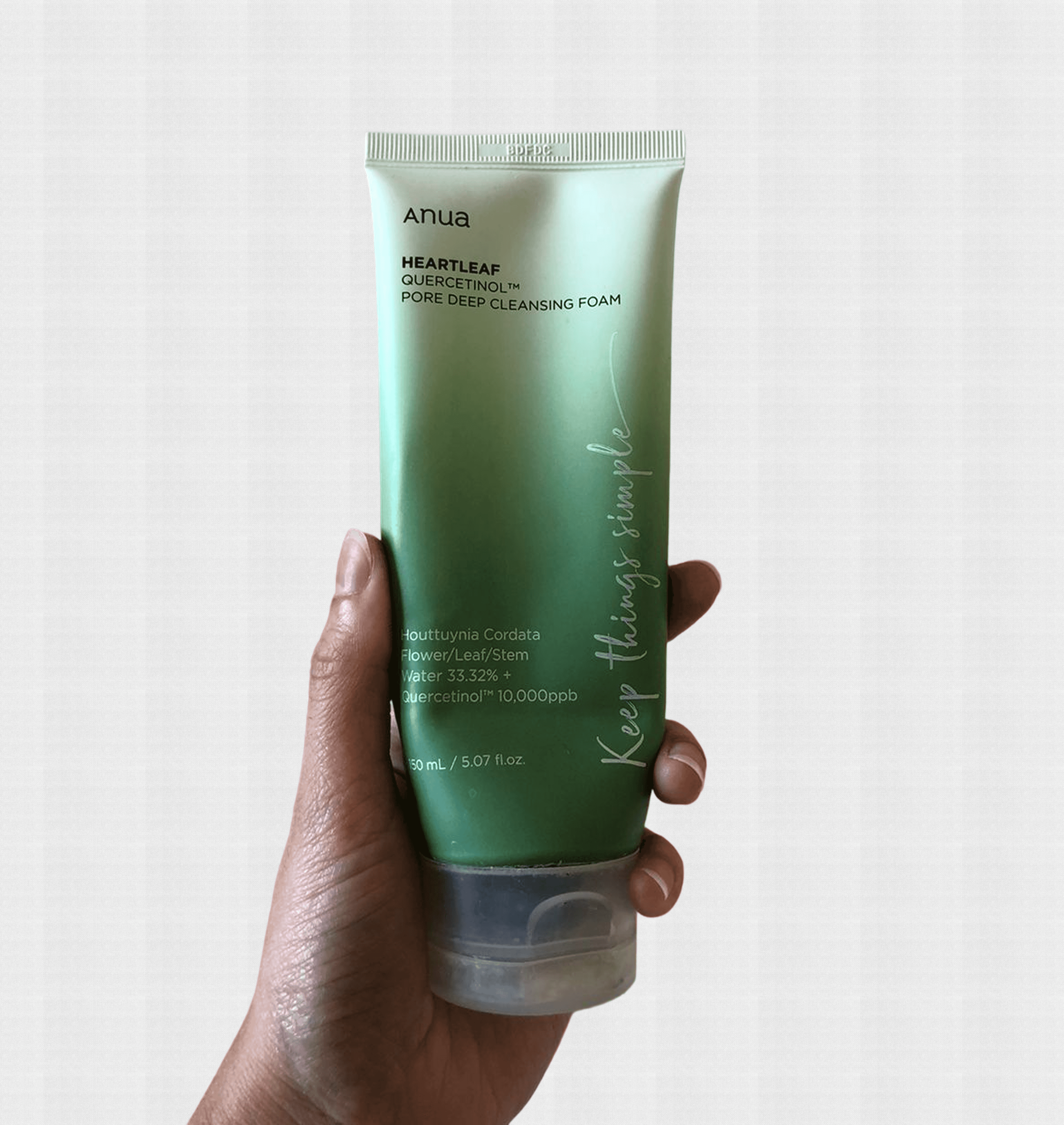
Anua Pore Deep Cleansing Foam
Anua's Quercetinol Pore Deep Cleansing Foam. A natural antioxidant derived from Heartleaf, this gentle yet effective formula removes excess oil, dirt, and impurities without stripping your skin. Recommend!